
Free Shipping on all orders $49+ at Peets.com
Chess pie is one of those rare desserts that manages to feel both humble and indulgent at the same time. It’s a pie built from the simplest ingredients—sugar, butter, eggs, and a bit of flour or cornmeal—yet it bakes into something far richer than the sum of its parts. For generations, it has held a place of honor on Southern tables, appearing at holidays, potlucks, Sunday dinners, and any moment when a cook needed a dessert that was guaranteed to satisfy. Its appeal lies in its flavor, its texture, its history, and its astonishing simplicity. To understand why chess pie has endured for so long, you have to look at what it is, how it tastes, and why it remains one of the easiest classic pies to make.
The first time I made chess pie, I followed a recipe that completely skipped the cornmeal. The pie tasted good, but the texture felt more like a basic custard pie than a true Southern chess pie. After trying traditional recipes later on, I quickly realized cornmeal is what gives chess pie its signature texture and classic character. Even a small amount adds body and helps separate chess pie from other custard-style desserts. Since then, I never make chess pie without including cornmeal in the filling.
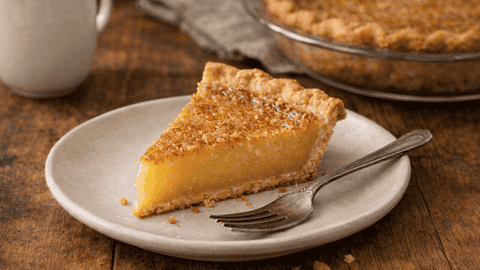
Chess pie is one of the most beloved old-fashioned Southern desserts. Known for its rich buttery filling, crisp flaky crust, and simple pantry ingredients, this classic pie has been a favorite in Southern kitchens for generations. While it may look simple, chess pie delivers a sweet custard-like texture and deep homemade flavor that keeps people coming back for another slice.
Whether you’ve heard about chess pie from family recipes, Southern bakeries, or holiday gatherings, there’s a reason this vintage dessert continues to grow in popularity today.
What Is Chess Pie?
Chess pie is a traditional Southern pie made with basic ingredients like sugar, butter, eggs, and a small amount of cornmeal. The filling bakes into a rich, slightly gooey custard with a delicate crackled top.

Unlike fruit pies or cream pies, chess pie focuses on simple ingredients that create a smooth texture and sweet buttery flavor. Many recipes also include vinegar or lemon juice, which helps balance the sweetness and gives the pie its signature taste.
Free Shipping on all orders $49+ at Peets.com
Classic chess pie is usually baked in a flaky pie crust and served at room temperature or chilled.
What Does Chess Pie Taste Like?
Chess pie has a sweet, buttery flavor with a smooth custard-style filling. The center is soft and rich while the top develops a delicate sugary crust during baking.
Many people describe chess pie as:
- richer than buttermilk pie
- smoother than pecan pie
- sweeter than sugar cream pie
- similar to a custard dessert with caramelized sugar notes
The small amount of cornmeal used in many recipes gives the filling a slightly textured consistency that helps separate chess pie from other custard pies.
Why Is It Called Chess Pie?
The origin of the name “chess pie” has been debated for decades. Several popular theories exist, and no single explanation has ever been fully confirmed.
Some of the most common theories include:
“Just Pie” Theory
One popular story suggests Southern bakers referred to it as “jes’ pie,” meaning “just pie.” Over time, the phrase may have evolved into “chess pie.”
Pie Chest Theory
Another theory claims the pie was commonly stored in pie chests before refrigeration became common. People may have referred to it as “chest pie,” which later became chess pie.
English Cheese Pie Theory
Some historians believe the name may trace back to old English “cheese pies,” which were custard-based desserts rather than savory cheese pies.
No matter where the name originated, chess pie remains a true Southern classic.
The History of Chess Pie
Chess pie became popular throughout the Southern United States because it used inexpensive pantry staples that were easy to keep on hand year-round.
During the Depression era and earlier rural Southern cooking traditions, families often baked desserts using:
- eggs
- sugar
- butter
- vinegar
- cornmeal
Fresh fruit was not always available, so pies like chess pie became practical desserts that still tasted rich and satisfying.
Today, chess pie continues to appear at:
- holiday dinners
- church gatherings
- family reunions
- Southern bakeries
- Thanksgiving dessert tables
Its nostalgic flavor and simple preparation continue to make it popular with both experienced bakers and beginners.
Common Chess Pie Ingredients Explained
Sugar
Sugar creates the pie’s signature sweetness and helps form the delicate crust on top during baking.
Butter
Butter gives chess pie its rich flavor and smooth texture.
Eggs
Eggs help the filling set into a custard-like consistency while adding richness.
Cornmeal
Cornmeal adds slight texture and helps stabilize the filling without making it gritty.
Vinegar or Lemon Juice
A small amount of vinegar or lemon juice balances the sweetness and enhances the overall flavor.
Pie Crust
A flaky homemade or refrigerated pie crust provides contrast to the creamy filling.
Why People Love Chess Pie
Chess pie remains popular because it combines simplicity with incredible flavor. Many home bakers appreciate that the recipe requires only a handful of basic ingredients.
People love chess pie because:
- it’s easy to make
- it uses pantry staples
- the filling is rich and comforting
- it works well for holidays
- it has nostalgic Southern appeal
- beginners can bake it successfully
The pie also pairs perfectly with coffee, whipped cream, or fresh berries.
Chess Pie vs Other Southern Pies
| Pie Type | Texture | Sweetness | Main Difference |
|---|---|---|---|
| Chess Pie | Gooey custard | Very sweet | Contains cornmeal |
| Buttermilk Pie | Smooth and creamy | Tangy-sweet | Uses buttermilk |
| Pecan Pie | Thick and sticky | Rich and sweet | Contains pecans and syrup |
| Sugar Cream Pie | Silky and mild | Moderately sweet | No cornmeal or vinegar |
Popular Variations of Chess Pie
While traditional chess pie remains the most popular version, many delicious variations exist.
Lemon Chess Pie
Bright citrus flavor balances the rich filling perfectly.
Chocolate Chess Pie
Chocolate adds extra richness and creates a fudgy texture.
Coconut Chess Pie
Shredded coconut adds texture and tropical sweetness.
Bourbon Chess Pie
Bourbon enhances the caramel and vanilla flavors for a deeper Southern flavor profile.
Expert Tips for Making the Best Chess Pie
- Do not overbake the filling. The center should still jiggle slightly when removed from the oven.
- Use room-temperature eggs for a smoother filling.
- Let the pie cool completely before slicing.
- Refrigerated pie crusts work well and save time.
- Bake on the lower oven rack to help prevent soggy crusts.
- Chill the pie for cleaner slices and firmer texture.
Common Chess Pie Mistakes
Overbaking the Pie
Overbaking can cause the filling to become dry or crack excessively.
Skipping the Cooling Time
The filling needs time to fully set after baking.
Using Too Much Cornmeal
Too much cornmeal can create a gritty texture instead of a smooth custard filling.
Underbaking the Crust
A pale crust may become soggy underneath the filling.
Storage and Serving Tips
Chess pie should generally be refrigerated after cooling because it contains eggs and butter.
Storage Tips
- Store covered in the refrigerator for up to 4 days.
- Allow the pie to cool completely before refrigerating.
- Wrap tightly to prevent the filling from drying out.
Freezing Tips
Chess pie freezes surprisingly well.
- Wrap tightly in plastic wrap and foil.
- Freeze for up to 2 months.
- Thaw overnight in the refrigerator before serving.
Serving Suggestions
Chess pie tastes great:
- chilled
- at room temperature
- with whipped cream
- alongside coffee or tea
- topped with fresh berries
Frequently Asked Questions
Does chess pie need refrigeration?
Yes. Because the filling contains eggs and butter, refrigeration is recommended after the pie cools.
Why does chess pie contain vinegar?
Vinegar helps balance the sweetness and improves the flavor of the filling.
Is chess pie served warm or cold?
Chess pie can be served either way, but many people prefer it chilled or at room temperature.
What is the difference between chess pie and pecan pie?
Chess pie has a smooth custard filling, while pecan pie contains nuts and a thicker syrup-based filling.
Can chess pie be frozen?
Yes. Chess pie freezes very well when wrapped properly.
Is chess pie a custard pie?
Yes. Chess pie is considered a type of custard-style pie because the filling relies on eggs and butter to set properly.
Free Shipping on all orders $49+ at Peets.com