
Free Shipping on all orders $49+ at Peets.com
A great pie plate is more than a vessel—it’s a tool that shapes texture, browning, structure, and even flavor. Whether you’re baking a rustic apple pie, a silky custard, or a towering cream pie, the plate you choose influences the final result as much as the recipe itself. Pie plates vary widely in material, thickness, heat conduction, and design, and each type excels in different situations.
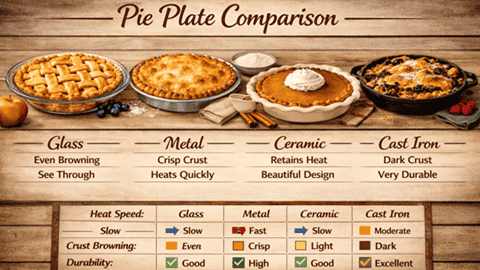
Pie plates are not interchangeable—they shape the crust, texture, and overall success of your bake. Glass offers reliability and visibility, metal delivers crispness, ceramic provides beauty and gentle heat, and specialty plates fill niche needs. The best bakers often keep more than one type on hand, choosing the plate that best suits the pie they’re making. This guide compares the four major categories—glass, metal, ceramic, and specialty pie plates—so you can choose the right one for your baking style.

If you’re considering a new pie plate or two, check my Amazon store for the lowest prices.
1. Glass Pie Plates
Glass pie plates are the home baker’s classic: transparent, reliable, and widely available. They’re often the first pie plate people own, and for good reason.
Heat Performance
Glass heats slowly but retains heat exceptionally well. This slow, even heating helps prevent the dreaded soggy bottom, especially when baking fruit pies with juicy fillings. Because glass is transparent, you can literally see the crust browning—an advantage no other material offers.
Best For
- Fruit pies (apple, blueberry, peach)
- Custard pies (pumpkin, sweet potato)
- Any pie where you want to monitor browning
Pros
- Even, gentle heat distribution
- Excellent heat retention
- Lets you visually check crust doneness
- Affordable and widely available
- Dishwasher safe
Cons
- Slow to heat, which can delay crust setting
- Can shatter with extreme temperature changes
- Heavier than metal
Who Should Choose Glass
If you value consistency and want to eliminate guesswork, glass is the most forgiving and beginner‑friendly option. It’s also ideal for bakers who prefer a golden, evenly browned bottom crust.
Free Shipping on all orders $49+ at Peets.com
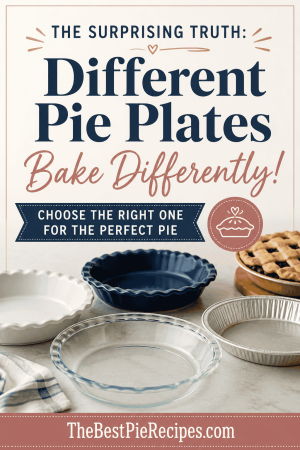
2. Metal Pie Plates (Aluminum and Steel)
Metal pie plates—especially aluminum—are the workhorses of professional kitchens. They conduct heat quickly and efficiently, producing crisp, deeply browned crusts.
Heat Performance
Metal heats fast and cools fast. This rapid heat transfer sets the crust early, which is crucial for flaky, structured pies. Aluminum is the most common and most effective; steel is heavier and darker, which can lead to faster browning.
Best For
- Blind‑baked crusts
- Cream pies
- Meringue pies
- Hand‑formed, rustic pies
- Bakers who want crisp, flaky crusts
Pros
- Fast, efficient heat conduction
- Produces crisp, flaky crusts
- Lightweight and durable
- Inexpensive
- Nearly unbreakable
Cons
- Not as attractive for serving
- Can over‑brown crusts if not monitored
- Some metal plates warp under high heat
- Dark metal can cause uneven browning
Who Should Choose Metal
If you prioritize crust texture above all else, metal is unbeatable. It’s the best choice for blind baking and for pies where the crust must stay crisp under creamy fillings.
3. Ceramic Pie Plates
Ceramic pie plates are the beauty queens of the pie world—thick, heavy, and often beautifully glazed. But they’re more than decorative; they offer unique baking advantages.
Heat Performance
Ceramic heats slowly, like glass, but retains heat even longer. This makes it ideal for pies that need gentle, steady baking. The thickness of ceramic plates helps prevent over‑browning, especially on delicate crusts.
Best For
- Custard pies (pumpkin, buttermilk, chess)
- Quiches
- Pies served warm at the table
- Bakers who value presentation
Pros
- Excellent heat retention
- Gorgeous presentation
- Prevents over‑browning
- Sturdy and long‑lasting
Cons
- Slow to heat
- Can lead to pale bottom crusts
- Heavy and bulky
- More expensive than glass or metal
Who Should Choose Ceramic
If you love serving pies straight from the dish and prefer a gentle, even bake—especially for custards—ceramic is a perfect fit. It’s also ideal for bakers who value aesthetics as much as performance.
4. Specialty Pie Plates
Beyond the three major categories, specialty pie plates offer unique features tailored to specific baking needs.
4.1 Deep‑Dish Pie Plates
Deep‑dish plates (usually 2–2.5 inches deep) are designed for pies with generous fillings—think towering apple pies or decadent holiday pies.
Best For:
- Deep‑dish apple
- Chicken pot pie
- Holiday pies with heavy fillings
Pros:
- Holds more filling
- Prevents spillover
- Great for dramatic presentation
Cons:
- Longer bake times
- Can lead to under‑baked centers if not managed carefully
4.2 Disposable Aluminum Pie Plates
These lightweight plates are common for bake sales, gifts, and large‑batch baking.
Best For:
- Transporting pies
- Freezing pies
- Gifting pies
Pros:
- Cheap
- Lightweight
- Convenient
Cons:
- Flimsy
- Poor heat distribution
- Can buckle under heavy fillings
4.3 Cast Iron Pie Pans
Cast iron pie plates are less common but beloved by bakers who want intense bottom heat.
Best For:
- Rustic fruit pies
- Cornbread pies
- Pies requiring a crisp, dark crust
Pros:
- Exceptional heat retention
- Produces deeply browned crusts
- Nearly indestructible
Cons:
- Very heavy
- Requires seasoning
- Can over‑brown crusts quickly
Side‑by‑Side Comparison of Pie Plate Materials
Below is a structured comparison to help you see how each type performs across key baking factors.
Heat Conduction
- Metal: Fastest
- Glass: Moderate
- Ceramic: Slow
- Cast Iron: Slow to heat, extremely high retention
Crust Browning
- Metal: Deepest browning
- Glass: Even, moderate browning
- Ceramic: Light to moderate browning
- Cast Iron: Very dark browning
Durability
- Metal: Excellent
- Glass: Good but breakable
- Ceramic: Good but chip‑prone
- Cast Iron: Exceptional
Aesthetic Appeal
- Ceramic: Highest
- Glass: Clean and classic
- Metal: Functional
- Cast Iron: Rustic
Price Range
- Metal: Low
- Glass: Low to moderate
- Ceramic: Moderate to high
- Cast Iron: Moderate
If you’re considering a new pie plate or two, check my Amazon store for the lowest prices.
Which Pie Plate Should You Choose?
Choosing the right pie plate depends on your baking style and the types of pies you make most often.
If You Want the Most Versatile Option
Choose glass. It’s reliable, affordable, and works well for nearly every pie.
If You Prioritize Crust Texture
Choose metal. It’s the best for crisp, flaky crusts and blind baking.
If You Bake Custards or Serve Pies at the Table
Choose ceramic. It provides gentle heat and beautiful presentation.
If You Want Dramatic Browning and Rustic Style
Choose cast iron. It’s unbeatable for deep, caramelized crusts.
Expert Tips for Getting the Best Results from Any Pie Plate
1. Preheat a Baking Steel or Sheet Pan
Placing your pie plate on a preheated steel or heavy sheet pan boosts bottom heat and prevents soggy crusts—especially helpful for ceramic and glass.
2. Chill Your Dough Thoroughly
Regardless of plate type, cold dough prevents shrinkage and improves flakiness.
3. Adjust Baking Times Based on Material
- Metal: Check early
- Glass: Standard timing
- Ceramic: Add 5–10 minutes
4. Avoid Thermal Shock
Glass and ceramic can crack if moved from freezer to oven or from oven to cold surfaces.
5. Match Plate Depth to Recipe
A standard pie plate is 1.25–1.5 inches deep. Deep‑dish recipes need 2–2.5 inches.
Free Shipping on all orders $49+ at Peets.com