
Free Shipping on all orders $49+ at Peets.com
Pumpkin is the second most popular type of pie, topped only by Apple Pie. Sure, you can buy a premade pumpkin pie in the grocery store for around 5 bucks but it’s just not the same. The filling has almost none of the spices that give pumpkin pie such a unique flavor. Homemade pumpkin pie has a richer texture, deeper flavor, and fresher taste that you just can’t get from mass-produced pies sitting on store shelves for days before they’re sold.
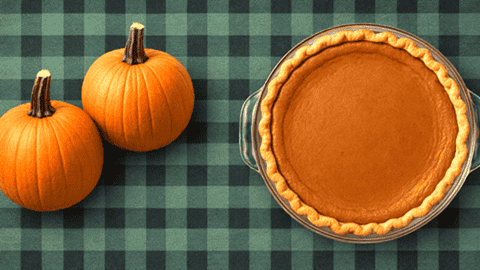

Before we can delve into making the pumpkin filling, let’s talk about the actual pumpkins. You must use pumpkins specifically grown for eating. These are normally called sugar pumpkins but I’ve seen them advertised as pie pumpkins in several stores. Sugar pumpkins are small and are usually darker than carving or decorative pumpkins.
What Makes Sugar Pumpkins Perfect For Baking
- Size and Shape: Sugar pumpkins typically weigh only 2–4 pounds and are 5–8 inches in diameter. They’re round, compact, and darker than decorative pumpkins.
- Flavor and Texture: Sugar pumpkins are sweeter and smoother than carving pumpkins, with dense flesh and less water content.
- Color and Skin: Sugar pumpkins are dark orange with a thick, hard rind that’s easier to cut and peel than larger pumpkins.
Nutritional Benefits of Sugar Pumpkins
- High in vitamins A, Vitamin C, potassium, and antioxidants.
- Good source of dietary fiber.
- Low in calories and low glycemic index.
How many sugar pumpkins do you need to make a pie? An average sugar pumpkin weighs 2 – 3 pounds and yields approximately 2 to 3 cups of cooked pumpkin. You can estimate about 1 cup of filling for every 1 pound of whole pumpkin. One medium-sized sugar pumpkin yields about the same amount of filling as a standard 15-ounce can of store-bought pumpkin filling. Two medium-size pumpkins should be enough for a single pumpkin pie.
Sugar pumpkins can be roasted or boiled. To retain maximum flavor and texture, you’ll want to roast them. Don’t be intimidated by the word roasting. You’ll simply be baking them in the oven. I usually prefer boiling pumpkins instead of roasting them because the process feels much simpler and less messy in my kitchen. After peeling the pumpkin, I can cut it into chunks and boil it until tender without dealing with scraping soft flesh out of the shell later. When pumpkins are baked, scooping out the cooked pumpkin can take extra time and create more cleanup. Boiling also makes it easier to control the texture of the puree, especially when I want a smooth consistency for homemade pumpkin pie filling.
Preparing The Pumpkins.
- Wash the pumpkins and remove the stems.
- Here’s where bakers have different opinions. Some claim you should leave the skin on the pumpkin. I personally remove the skin with a vegetable peeler.
- Cut the pumpkin into halves and remove the seeds with a spoon. Save the seeds for planting or for roasting. Roasted, salted pumpkin seeds are a real treat!
- Cut the halves into quarters or even smaller sections. Smaller sections bake faster than halves.
Roasting Sugar Pumpkins
- Preheat oven to 350°F.
- Place pumpkin sections cut-side down on a parchment-lined baking sheet.
- Bake for 45–60 minutes or until fork-tender.
- Cool slightly, then scoop out the flesh if you left the skin on. If you removed the skin like I mentioned above, there’s no need to scoop it out.
For pie filling, process the pumpkin in a food processor or blender. For a more rustic texture you can also mash the pumpkin like you would mashed potatoes.
Boiling Sugar Pumpkins
- Place pumpkin pieces in large saucepan and cover with water.
- Cook on medium-high heat until until fork-tender. This usually takes 25 – 30 minutes after the water has come to a full boil.
- Cool slightly, then process as mentioned above.
If you want the filling to be totally ready to make a pie, add the pumpkin pie spice and mix thoroughly. This works best if you add the spices while processing the pumpkin in a food processor or blender. If you’re considering making your own pumpkin pie spice, check out our article – How To Make Pumpkin Pie Spice.
Free Shipping on all orders $49+ at Peets.com
How To Make Pumpkin Pie Filling
Utensils & Equipment
- 1 knife
- 1 baking or cookie sheet lined with parchment paper
- 1 vegetable peeler optional
- 1 spatula or spoon for scooping out the seeds
- parchment paper
- 1 large pot needed only if you're boiling the pumpkins
Ingredients List
- 6 pounds sugar pumpkins also called pie pumpkins

Instructions
Preheat The Oven
- Preheat oven to 350℉. You can skip this step if you're boiling the pumpkins.
Prepare The Pumpkins
- Remove the stems from the pumpkins.
- Cut each pumpkin in half and scoop out the seeds
- (Optional) Remove the skin from the pumpkin with a vegetable peeler.
- Once the seeds are removed, cut the pumpkins into pieces no larger than 4".
Baking Method
- Preheat oven to 350℉. This was the first step mentioned above.
- Place pumpkin sections cut-side down on a parchment-lined baking sheet.
- Bake for 45–60 minutes or until fork-tender.
- Cool slightly, then scoop out the flesh if you left the skin on. If you removed the skin like I mentioned above, there’s no need to scoop it out.
Boiling Method
- Place pumpkin pieces in large saucepan and cover with water.
- Cook on medium-high heat until until fork-tender. This usually takes 25 – 30 minutes after the water has come to a full boil.
- Cool slightly, then process as mentioned above.
Common Mistakes When Making Pumpkin for Pumpkin Pie
Using the Wrong Type of Pumpkin
One of the biggest mistakes is using large carving pumpkins instead of sugar pumpkins or pie pumpkins. Carving pumpkins contain more water and less flavor, which can lead to bland, watery pumpkin puree. Smaller pie pumpkins are naturally sweeter and create a smoother texture for pumpkin pie filling.
Not Removing Excess Moisture
Fresh pumpkin contains a lot of water. If the puree is too wet, the pie filling may become runny or fail to set properly. After blending the pumpkin, let the puree drain in a fine mesh strainer or cheesecloth for a thicker, richer consistency.
Overcooking the Pumpkin
Roasting pumpkin too long can dry out the flesh and create a stringy texture. The pumpkin should be soft enough to pierce easily with a fork but still moist and tender. Keeping an eye on roasting time helps preserve flavor and texture.
Skipping the Blending Step
Mashed pumpkin alone can remain fibrous or lumpy. Using a food processor or blender creates a silky smooth puree that works much better in pumpkin pie recipes.
Leaving Stringy Fibers in the Puree
Some pumpkins naturally contain stringy flesh. Removing excess fibers before blending improves the final texture and gives the pie filling a more professional consistency.
Using Pumpkin Puree Immediately While Hot
Warm puree can affect pie filling consistency and make preparation more difficult. Let the puree cool completely before adding it to pie ingredients or storing it in the refrigerator.
Forgetting to Taste the Pumpkin
Different pumpkin varieties can vary in sweetness and flavor intensity. Tasting the puree before using it can help determine whether additional spices or sweeteners may be needed in the pie recipe.
Frequently Asked Questions About Making Pumpkin for Pumpkin Pie
Can You Use Carving Pumpkins for Pumpkin Pie?
You can use carving pumpkins, but pie pumpkins or sugar pumpkins are usually a better choice. Carving pumpkins tend to be more watery and less flavorful, while smaller pie pumpkins create a sweeter and smoother puree.
What Is the Best Pumpkin for Pumpkin Pie?
Sugar pumpkins, sometimes called pie pumpkins, are considered the best option for homemade pumpkin puree. Cinderella pumpkins and some winter squash varieties like kabocha can also produce excellent flavor and texture.
Is Homemade Pumpkin Puree Better Than Canned?
Homemade pumpkin puree often has a fresher flavor and richer texture than canned pumpkin. Many bakers prefer homemade puree because they can control the consistency and moisture level.
How Long Does Homemade Pumpkin Puree Last?
Fresh pumpkin puree can usually be stored in the refrigerator for about 4 to 5 days in an airtight container. For longer storage, it freezes well for several months.
Can Pumpkin Puree Be Frozen?
Yes, pumpkin puree freezes very well. Store it in freezer-safe containers or freezer bags in measured portions so it is easy to thaw for future pie recipes.
Should Pumpkin Be Peeled Before Roasting?
No, peeling is not necessary before roasting. The skin becomes easy to remove after the pumpkin is cooked and softened in the oven.
Why Is My Pumpkin Puree Watery?
Pumpkin naturally contains a lot of moisture. Draining the puree through cheesecloth or a fine mesh strainer helps remove excess liquid and creates a thicker consistency for baking.
How Much Puree Does One Pumpkin Make?
A small pie pumpkin usually produces enough puree for one to two pumpkin pies, depending on the pumpkin size and the amount of moisture removed.
Can I Make Pumpkin Puree Ahead of Time?
Yes, pumpkin puree can be made several days in advance and refrigerated until needed. Many bakers also prepare and freeze puree before the holiday baking season.
Do You Have to Roast Pumpkin for Pie?
Roasting is the most popular method because it develops deeper flavor and natural sweetness. However, pumpkin can also be steamed or boiled, though those methods may create a wetter puree.
Free Shipping on all orders $49+ at Peets.com