Most recipes offer recommendations on how to cook the perfect bottom crust. The recipes are specific to that type of crust as well as the filling. What works for an apple pie might result in a soggy, mushy bottom for a cherry pie. There really is not single fix to a soggy bottom crust without knowing the specific ingredients in the crust and the filling.
I guess you could say this is a troubleshooting session. If your crust came out soggy either the baking method, the recipe, or both were wrong. Like they say, there’s no sense crying over spilled milk. All you know is if you try to make the same pie again, you’ll need to do something different to avoid having another soggy bottom crust.
There are some obvious reasons why the bottom crust must be soggy or crumbly. It should go without saying that finding the filling too runny isn’t the same thing as having a soggy bottom. The most obvious sign of a soggy crust is the lack of flakiness. The crust looks like a thin piece of carboard or has to be scraped out of the pie plate..
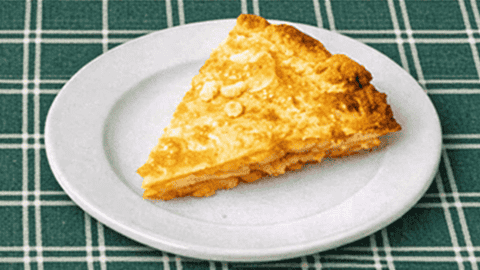
Reasons Why Bottom Crust Might Be Soggy
Oven Temperature Was Too Low
Many recipes recommend initially baking the pie at a higher temperature to shock the bottom crust then reducing the temperature for the remainder of the baking time. This is common for the most popular pie of all time – that American tradition known as apple pie.
If the recipe recommends baking the pie at the same temperature for the entire time, perhaps the baker who created the recipe really knows what they’re talking about. The only way to find out is to following the recipe and check the results when the pie has completely cooled.
Filling Needed Thickening
Fruit pie recipes create more soggy bottom crusts than any other type of filling. Fruits contain various levels of liquids, ranging from apples (least liquid) to strawberries (the most liquid). There are far too many types of fruit to accurately recommend the exact amount of thickener to use in general. What works for a strawberry pie would produce an apple pie that needs to be cut with a fork.
By thickeners we mean an ingredient added to thicken the juices produced by the fruit or other filling. If you’re not familiar with the various types of pie thickeners, check out our Article How To Thicken Pie Fillings. The most common pie filling thickeners are flour, cornstarch, instant tapioca, and Clearjel. If your recipe called for any of these ingredients, the next time you make the pie increase the amount of that ingredient. The filling should be thicker and the bottom crust should be less soggy.
Type of Pie Plate
In most of the recipes on this site I’ve tried to mention the exact type of pie plate to use. I exclusively use 9-inch glass pie plates. There’s a reason why I mention glass. Pies baked in a metal pie plate brown faster than those baked in a glass, ceramic, or stoneware pie plate. If you follow an exact recipe and the crust came out soggy, it’s possible that the baker who created the recipe used a different type of pie plate.
If you tried a recipe in a glass pie plate and the bottom crust came out soggy, next time try a glass or ceramic pie plate. If the crust still comes out soggy you’ll have to look into one of the other reasons why it didn’t work.
Pie Was Not Baked Long Enough
Remember, recipes are just a guideline for baking the pie. There are too many unknown variables to trust that the pie will be perfectly cooked in the time recommended in the recipe. It’s possible that your oven runs cooler or warmer than normal. It’s possible that one of your oven’s heating elements has a hot spot or cold spot. The element may not radiate the same amount of heat evenly from one end to the other.
Pie containing a fruit filling should always be baked until you can see the filling starting to bubble through the top crust. This is one of the reasons why most recipes recommend cutting at least four slits in the top crust. The slits allow the pie to vent while baking but also allows you to see if the filling is fully cooked. If the recipe recommends baking for 55 minutes and the filling isn’t bubbling, allow it to continue to bake for another few minutes then check the filling again.
The Crust Wasn’t Prepared Correctly
This isn’t a lesson of preparing the perfect pie crust so we’ll just focus on the most common issue. If you’re using a refrigerated pie crust, be sure to read the instructions on the packaging. Refrigerated crusts should sit at room temperature before being placed into the pie plate.
One of the biggest issues I have with quick and easy recipes written by social media queens who are just cranking out recipes without ever having baked a pie is they recommend processing pie crust in a food processor. No pie crust recipe containing butter should be processed in a food processor until it’s a crumb crust such as graham cracker or crushed cookies, which use melted butter. Flaky pie crust recipes call for stick butter that should be frozen or at least as cold as possible. Attempting to make a flaky crust in a food processor will produce one of the soggiest crusts you’ll ever cut into.
The Crust Should’ve Been Prebaked
Some pies should be prebaked, which means baking the crust before adding the filling then baking until the filling is done. This applies primarily to custard-type pies with fillings that can’t take high heat during the entire baking time without risk of the crust cracking or curdling. In these cases you should prebake your crust, add the filling, and bake until the filling is done.
When baking a pie with a prebaked crust, you might notice the outer edge starting to brown too much. If this occurs, use a pie crust guard or wrap strips around the edge of the crust to prevent further browning.
The Recipe Was Wrong
I hate to say it but sometimes the instructions in the recipe aren’t correct. What worked for the baker who created the recipe might not work for you. How is that possible? Different brands of ingredients produce different results. Oven temperatures can vary even if your oven says it’s at the correct temperature. You might have a different type of pie plate. The ambient air temperature or humidity level in your kitchen might be significantly different than the environment of the person who created the recipe.
The above reasons and many more don’t necessarily mean the recipe was “wrong” but it does indicate that perhaps you won’t be able to achieve the desired result, which ultimately is a perfect pie. There really isn’t much you can do other than looking for any of the obvious issues discussed above.
I’m going to add one final comment and wait to see how many negative responses roll in. Some pie recipes weren’t created by actual bakers. I call them social media queens. Some of these self-proclaimed bloggers are raking in the bucks from advertising and sponsorships by publishing recipes that they’ve never actually tried. They look at a few existing recipes, come up with their own version, and post it to their blog without ever trying to make the pie. As they say, “It is what it is.” When you run across a recipe plastered with ads and links to buy related products, chances are the page was created solely for the financial enrichment of the author or the site is owned by a company that emphasizes profits over the user end, who is you.