
Free Shipping on all orders $49+ at Peets.com
Gluten‑free baking has evolved dramatically over the past decade. What was once a frustrating exercise in crumbly crusts and dense fillings has become a vibrant, innovative corner of the culinary world. Today, home bakers can choose from a wide range of gluten‑free products—flours, starches, mixes, thickeners, and specialty ingredients—that make it entirely possible to craft pies with flaky crusts, silky fillings, and beautifully structured slices. Whether you’re baking for yourself, for someone with celiac disease, or simply exploring new ingredients, understanding the landscape of gluten‑free pie‑making products opens the door to creativity and confidence.
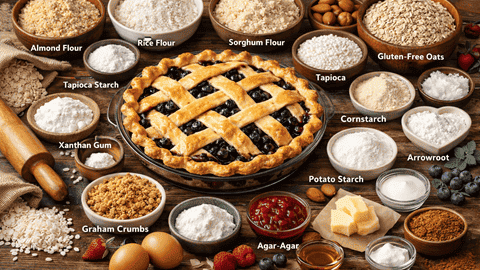
Many companies offer a decent selection of gluten-free ingredients to craft the perfect pie. King Arthur Baking offers one of the most largest gluten-free selections in the world. In total the company offers 31 gluten-free products including all-purpose flour, bread flour, and gluten-free pie crust mix. Most bakers are familiar with the King Arthur brand. King Arthur offers the best selling unbleached flour in the world.
This guide explores the major categories of gluten‑free products used in pie baking, how they work, and how to choose the right ones for your style of baking.
Gluten‑Free Flours for Pie Crusts
Pie crust is the most challenging part of gluten‑free baking because gluten is what gives traditional dough its elasticity and structure. Without it, crusts can become fragile, sandy, or difficult to roll. The key is choosing flours that balance flavor, texture, and binding ability.

Almond Flour
Almond flour is one of the most popular gluten‑free flours for pie crusts. Made from finely ground blanched almonds, it has a naturally buttery flavor and tender crumb. Almond flour crusts are ideal for:
- Custard pies
- Cream pies
- Cheesecake bases
- Press‑in crusts
Because almond flour lacks starch, it doesn’t roll well on its own. It’s usually combined with tapioca starch or used in press‑in crust recipes with butter and sugar.
Free Shipping on all orders $49+ at Peets.com
Rice Flour
Rice flour—both white and brown—is a foundational ingredient in many gluten‑free flour blends. It has a neutral flavor and light texture, making it suitable for traditional rolled crusts when combined with starches and binders.
- White rice flour is fine and mild.
- Brown rice flour adds a slightly nutty flavor and more fiber.
On its own, rice flour can be gritty, but when milled finely or blended with starches, it produces excellent results.
Sorghum Flour
Sorghum flour is often compared to wheat flour in flavor and performance. It adds tenderness and a mild sweetness to gluten‑free crusts. Sorghum is rarely used alone but shines in blends, especially when paired with tapioca or potato starch.
Oat Flour (Certified Gluten‑Free)
Oat flour brings warmth, softness, and a subtle sweetness to pie crusts. It’s excellent for rustic pies, crumble‑topped pies, and press‑in crusts. Because oats absorb moisture well, oat flour crusts tend to be tender rather than flaky.
Coconut Flour
Coconut flour is extremely absorbent and used sparingly in gluten‑free baking. It’s rarely the main flour in a pie crust but can be added in small amounts to improve structure and flavor. It’s best suited for sweet pies and press‑in crusts.
Pre‑Blended Gluten‑Free Flour Mixes
Many bakers prefer the convenience of all‑purpose gluten‑free flour blends. These blends typically include rice flour, sorghum flour, tapioca starch, potato starch, and xanthan gum.
Popular blends often work well as 1:1 substitutes for wheat flour in pie crust recipes. They offer:
- Predictable results
- Balanced texture
- Ease of use
For rolled crusts, blends with a higher starch content tend to produce the flakiest results.
Starches and Binders That Improve Gluten‑Free Crusts
Because gluten‑free flours lack elasticity, starches and binders play a crucial role in creating a workable dough and a cohesive finished crust.
Tapioca Starch
Tapioca starch (or tapioca flour) is a star ingredient in gluten‑free pie crusts. It adds:
- Stretchiness
- Crispness
- Browning
It helps mimic the chew and flexibility of gluten, making dough easier to roll and shape.
Potato Starch
Potato starch contributes tenderness and moisture retention. It’s excellent for creating soft, delicate crusts and is often used alongside tapioca starch.
Cornstarch
Cornstarch is a versatile thickener and can be used in crusts to lighten texture. It’s also a common thickener for pie fillings.
Arrowroot Starch
Arrowroot is a clean‑tasting, grain‑free starch that works well in both crusts and fillings. It thickens at lower temperatures and creates a glossy finish.
Xanthan Gum
Xanthan gum is one of the most important binders in gluten‑free baking. It helps:
- Hold dough together
- Improve elasticity
- Prevent crumbling
Most gluten‑free pie crust recipes include ½ to 1 teaspoon of xanthan gum per crust.
Psyllium Husk Powder
Psyllium husk is a natural fiber that adds structure and flexibility. It’s especially useful in rolled crusts, helping the dough stay cohesive and easier to handle.
Gluten‑Free Products for Pie Fillings
Pie fillings often rely on thickeners to achieve the right consistency. Gluten‑free baking offers several excellent options.
Cornstarch
Cornstarch is a classic thickener for fruit pies. It creates a smooth, glossy filling and works well with berries, cherries, and peaches. It requires boiling to activate.
Tapioca (Instant or Granulated)
Tapioca is beloved for fruit pies because it creates a clear, stable filling that holds its shape. It’s especially good for:
- Blueberry pies
- Strawberry‑rhubarb pies
- Mixed berry pies
Instant tapioca dissolves more easily than granulated tapioca.
Arrowroot Powder
Arrowroot is ideal for acidic fruits like pineapple or citrus, where cornstarch may break down. It produces a silky, non‑cloudy filling.
Potato Starch
Potato starch thickens quickly and works well in cream pies and custards. It creates a smooth texture without cloudiness.
Agar‑Agar
Agar‑agar is a plant‑based gelatin alternative derived from seaweed. It’s excellent for:
- No‑bake pies
- Vegan pies
- Firm, sliceable fillings
Agar sets more firmly than gelatin, so it’s useful for pies that need clean slices.
Gluten‑Free Pudding Mixes
Many instant pudding mixes are naturally gluten‑free. They’re convenient for:
- Cream pies
- Icebox pies
- Layered desserts
Always check labels, as formulations vary.
Ready‑Made Gluten‑Free Pie Crusts and Mixes
For bakers who want convenience without sacrificing quality, ready‑made gluten‑free products can be a game‑changer.
Frozen Gluten‑Free Pie Crusts
These crusts are typically made from rice flour, tapioca starch, and potato starch. They’re ideal for:
- Quick baking
- Last‑minute desserts
- Beginners
Frozen crusts can be used for both baked and no‑bake pies.
Gluten‑Free Pie Crust Mixes
Pie crust mixes offer a middle ground between scratch baking and ready‑made crusts. They usually require adding butter and water. Benefits include:
- Consistent results
- Balanced flour blends
- Easy rolling
Mixes often include xanthan gum and starches for optimal texture.
Gluten‑Free Graham‑Style Crusts
Made from gluten‑free graham crackers or cookie crumbs, these crusts are perfect for:
- Key lime pie
- Cheesecake
- Chocolate cream pie
They can be purchased pre‑made or assembled at home using gluten‑free graham crackers.
Specialty Gluten‑Free Ingredients That Elevate Pie Baking
Beyond the basics, several specialty products can enhance flavor, texture, and structure.
Nut Meals and Nut Flours
Hazelnut, pecan, and walnut meals add richness and depth to crusts. They’re excellent in:
- Chocolate pies
- Pumpkin pies
- Caramel pies
Nut‑based crusts pair beautifully with fall and winter flavors.
Gluten‑Free Cookie Crumbs
Crushed gluten‑free cookies—shortbread, ginger snaps, chocolate wafers—make flavorful press‑in crusts. They’re ideal for no‑bake pies and holiday desserts.
Coconut Sugar and Maple Sugar
These natural sweeteners add complexity and warmth to gluten‑free crusts and fillings. They complement fruit pies especially well.
Plant‑Based Butters and Shortenings
Many gluten‑free bakers also prefer dairy‑free options. Plant‑based fats can create:
- Flaky crusts
- Crisp edges
- Rich flavor
Palm shortening and vegan butter blends are particularly effective.
Tips for Choosing the Right Gluten‑Free Products
Selecting the right ingredients depends on the type of pie you’re making and the texture you want.
For Flaky Rolled Crusts
Choose:
- A gluten‑free flour blend with rice flour and starches
- Tapioca starch for stretch
- Xanthan gum or psyllium husk
Cold butter and minimal handling are essential.
For Press‑In Crusts
Use:
- Almond flour
- Oat flour
- Gluten‑free cookie crumbs
These crusts are forgiving and flavorful.
For Fruit Pie Fillings
Best thickeners include:
- Tapioca
- Cornstarch
- Arrowroot
Choose based on the fruit’s acidity and juiciness.
For Cream or Custard Pies
Use:
- Potato starch
- Cornstarch
- Agar‑agar (for no‑bake pies)
These create smooth, stable textures.
The Future of Gluten‑Free Pie Baking
As gluten‑free baking continues to grow, manufacturers are developing more sophisticated blends and specialty products. Ultra‑fine milling, improved starch combinations, and innovative binders are making gluten‑free crusts nearly indistinguishable from traditional ones. Home bakers now have access to ingredients that produce flaky, tender, beautifully browned crusts and fillings with perfect consistency.
The gluten‑free pie landscape is no longer about compromise—it’s about possibility. With the right products and a bit of practice, anyone can create pies that are delicious, structurally sound, and deeply satisfying.
Free Shipping on all orders $49+ at Peets.com