
Free Shipping on all orders $49+ at Peets.com
I live in New England and have tapped my own maple trees many times. Just like peaches and pecans are ingrained in Southern tradition and culture, in New England maple is king. Tourists come from all over the country to enjoy maple weekend in the spring and to view the gorgeous fall foliage, which is predominantly dictated by the maple leaves turning red, yellow, and orange.
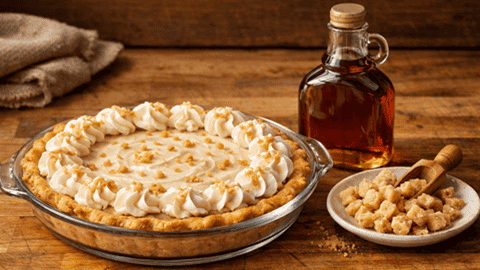
Not all maple syrup is the same. There are different grades of maple syrup as well as 100s of different suppliers. In the United States, maple syrup should come from either the U.S. or Canada. I’ve seen maple syrup imported from other counties that don’t have the same industry standards as we do. If you’re seriously considering a bottle of maple syrup bottled in Mexico or Peru then you’re on your own. It’s probably not real maple syrup.
If you’re wondering why real maple syrup from the U.S. or Canada is so expensive, we’ll have to first delve into how maple syrup is made. In the spring sap in maple trees starts to flow. A typical sugaring season lasts only 4 to 6 weeks. We’ve had years when the sap ran for only a couple weeks. Those years the price of maple syrup was insanely high due to the limited supply. In order for maple sap to flow the temperature must below freezing at night and at least 40-45°F during the day. This causes pressure to build within the trees, which causes the sap to flow. While everyone is hoping spring temps shoot up to 80°F, maple sugar houses are hoping daytime highs remain in the 40-45°F range and nighttime temps are below freezing. Once the nighttime lows rise above freezing, the maple sap stops flowing.
The sap from maple trees is mostly crystal-clear water with about 2% sugar content. On average, it takes 40 gallons of sap to make one gallon of maple syrup. This depends on a number of different factors and can require anywhere from 20 to 100 gallons of sap to make one gallon of maple syrup. In New England maple syrup averages about $100 per gallon. That single gallon might’ve required 50 gallons of sap to produce. If the sap season was short, the retail price of a gallon of syrup might shoot up to $150. If we had an extended sap season, the retail price might only be $80 per gallon.
In addition to maple syrup, you can also buy maple sugar. The sugar is awesome for baking pies and other desserts. Maple sugar is made the same way as maple syrup except it is boiled further to remove almost all moisture until the sugar crystallizes. Maple syrup is roughly 33% sweeter than processed, granulated sugar!!! Maple sugar can be substituted 1:1 for white granulated sugar.
Substituting Maple For White Granulated Sugar

When Baking With Maple Syrup
- Replace white granulated sugar with ¾ cup of maple syrup.
- When substituting maple syrup for white granulated sugar, reduce liquids in your recipe by 2 to 4 tablespoons.
- If your recipe doesn’t include liquids you can reduce then add 2 to 4 tablespoons of flour, cornstarch or other thickener. The most common thickeners are flour, cornstarch, Clearjel, and tapioca.
- Lower the oven temp by 25°F to prevent the maple syrup from over caramelizing.
- Add ¼ to ½ teaspoon of baking soda unless your recipe already includes acidic ingredients such as sour cream or buttermilk.
When Baking With Maple Sugar
- Substitute maple sugar 1:1 for granulated white sugar.
- No other adjustments are needed.
As the maple sap season progresses, the color of the sap becomes darker and more complex. The sap usually starts out light colored and sweet. As the weather warms and the microbial load in the sap increases, the color gets darker and the flavor becomes more complex. Before the standardized grading system for maple syrup was adopted, there was a Grade C. It was not available for retail sale. Without getting into the boring details, sap collected at the end of the season becomes more complex, which sometimes means the syrup is “off-flavor”. Off-flavored syrup of any color is sold to packing houses as “processing grade,” which is a catchall grade that also includes fermented syrup and ropy syrup, which is a slimy substance you can sometimes make very late in the year. If you find maple syrup that isn’t Grade A, you might want to avoid buying it. Without it being graded you have no way of knowing the color or flavor of the syrup itself.
Free Shipping on all orders $49+ at Peets.com
Grades of Maple Syrup
In 2015 the USDA adopted new guidelines for the grading of maple syrup. I’m pointing this out because I’ve seen multiple recipes that recommend using grades of maple syrup that were discontinued years ago. All maple syrup produced in the United States and Canada should be labelled Grade A.
Maple Syrup produced in the U.S. and Canada is graded on four characteristics: color, clarity, density, and flavor. Maple syrup is further classified into four distinct color classes: Golden, Amber, Dark, and Very Dark. Years ago the Very Dark syrup was sold as Grade B but that grade is no longer offered. Any recipe you find that recommends using Grade B maple syrup hasn’t been updated for at least 11 years.
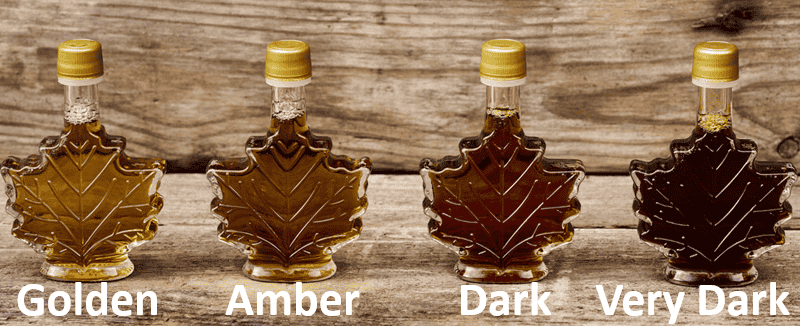
Grade A Golden
This is the lightest grade of maple syrup. Technically it’s called “Golden color with a delicate taste”. It is normally labelled as Grade A Golden. This grade was formerly called Fancy. This syrup was produced from sap collected at the very beginning of the sap season.
Grade A Amber
This grade is technically called “Amber color with rich taste”. It is normally labelled as Grade A Amber. The sap for this syrup is usually collected about mid-season and is usually the most popular for all-around use.
Grade A Dark
Technically called “Dark color with robust taste”, this grade is usually labelled as Grade A Dark. As the maple season progresses, the syrup darkens in color and develops a more robust maple flavor. This grade is good for all-around use. Its hearty flavor is a great choice for all types of recipes.
Grade A Very Dark
This syrup is produced from sap collected at the end of the season. Technically called “Very dark color with strong taste”, it is normally labelled as Grade A Very Dark. It is perfect for cooking and baking, especially when you desire a strong maple flavor. If you have a recipe that calls for Grade B maple syrup, this is the syrup that used to be Grade B.
Maple Pie Recipes
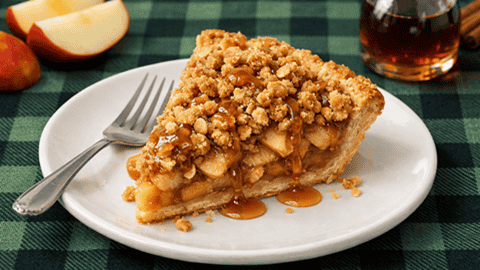
Easy Maple Apple Crumb Pie Recipe – Buttery Streusel & Cozy Fall Flavor
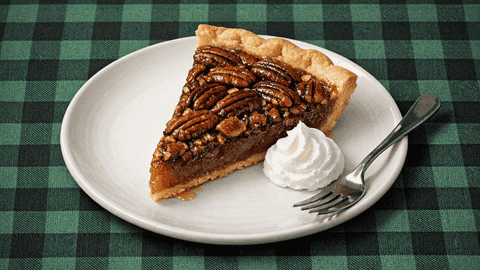
Easy Maple Pecan Pie Recipe – Rich and Gooey
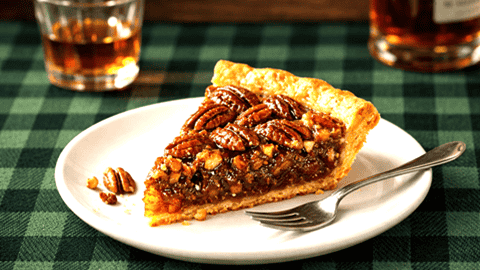
Maple Bourbon Pecan Pie Recipe (No Corn Syrup) – Rich, Gooey & Easy
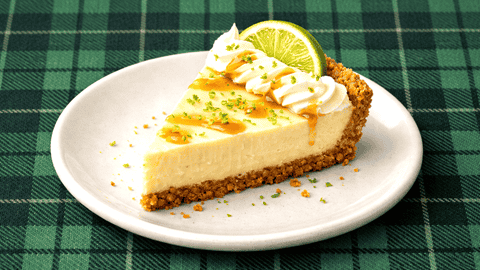
Maple Key Lime Pie Recipe – Creamy, Tangy & Easy Graham Cracker Pie
Free Shipping on all orders $49+ at Peets.com