
Free Shipping on all orders $49+ at Peets.com
Learning how to make a flaky vegan pie crust recipe at home can completely change the way you bake dairy-free desserts. This easy vegan pie crust is tender, buttery, and perfectly crisp with delicate flaky layers that work beautifully for fruit pies, cream pies, and holiday favorites. Whether you are new to vegan baking or simply looking for a reliable dairy-free pie crust recipe, this homemade crust delivers delicious results without sacrificing texture or flavor.
One of the biggest secrets to creating a flaky vegan pie crust is keeping the ingredients cold while handling the dough as little as possible. Using chilled vegan butter or coconut oil helps create tiny pockets of steam during baking, which gives the crust its signature light and flaky texture. The result is a pie crust that rolls out easily, bakes evenly, and holds up well with both baked and no-bake fillings.

This vegan pie crust recipe is also incredibly versatile and can be prepared ahead of time for busy baking days. The dough can be refrigerated before rolling or frozen for later use, making it perfect for holiday baking and meal prep. Once you master this simple homemade vegan pie crust, you can use it for everything from classic apple pie and pumpkin pie to savory vegetable pies and tarts.
Unlike some dairy-free pie crust recipes that turn out dry or crumbly, this recipe creates a soft and workable dough that is easy to shape and crimp. Even beginner bakers can achieve a beautiful homemade pie crust with a flaky texture and rich flavor that rivals traditional butter-based recipes.
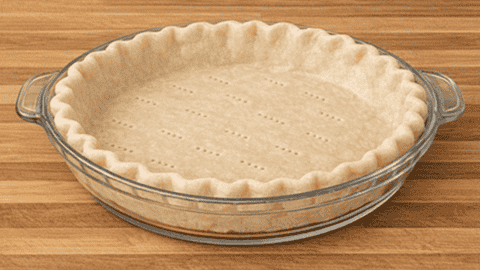
When choosing a plant-based butter be sure to avoid oil-based butters. If you use an oil-based butter,, the crust will be no different than if you had used vegetable shortening. I’m not going to knock specific brands by name. Just look at the ingredients and make sure to avoid the ones that contain oils. As an example of what to avoid, I searched the top 5 best selling plant-based butters in the U.S. Most contain palm, canola, soybean, flax, or olive oil, or a blend of more than one oil.
This recipe recommends making the dough in a stand mixer. As I’ve mentioned in several of my recipes, I’m not a big fan of stand mixers. Unfortunately I’ve received several emails from bakers who asked for more recipes they could make in their stand mixers. If you’re an old school baker like I am, forget the stand mixer and just make the dough for this vegan pie crust in a large bowl using a pastry cutter. It’s no different than creating any other type of pie crust. The only difference is we’re substituting the butter with plant-based butter.
Free Shipping on all orders $49+ at Peets.com
Vegan pie crust is built on plant‑based fats that mimic the tenderness and flakiness of traditional butter crusts, and that’s a big part of its appeal. Instead of dairy butter, it typically uses coconut oil, vegan butter, or chilled vegetable shortening—fats that stay firm when cold and melt in the oven to create delicate layers. Combined with flour, a pinch of salt, and just enough ice water, the dough comes together easily and handles much like a classic crust. Because there’s no dairy, the flavor stays clean and neutral, letting the pie filling shine while still delivering that satisfying, buttery‑style richness.
What makes vegan crust especially approachable is how forgiving it can be. Coconut oil and shortening don’t soften as quickly as butter, so the dough is often easier to roll and less prone to melting in warm kitchens. Cracks or breaks can be pressed back together without affecting the final texture, and the baked crust turns crisp at the edges and tender underneath the filling. Whether used for fruit pies, custard pies, or savory bakes, a vegan crust offers a flaky, delicious foundation that works beautifully for anyone avoiding dairy or simply looking for a reliable, plant‑based alternative.
Frequently Asked Questions About Flaky Vegan Pie Crust
Why is my vegan pie crust not flaky?
A vegan pie crust may turn out dense instead of flaky if the fat becomes too warm before baking or if the dough is overmixed. Keeping the vegan butter or coconut oil cold helps create steam pockets during baking, which produces flaky layers. It is also important to avoid overworking the dough once the liquid is added.
What is the best fat for vegan pie crust?
Vegan butter is one of the best options for creating a flaky vegan pie crust because it behaves similarly to traditional butter during baking. Coconut oil can also work well and adds a slightly crisp texture. Some bakers prefer using a combination of vegan butter and shortening for extra tenderness and flakiness.
Can vegan pie crust be made ahead of time?
Yes, vegan pie crust dough can easily be prepared ahead of time. The dough can be wrapped tightly and stored in the refrigerator for up to 3 days before rolling out. It can also be frozen for several months, making it convenient for holiday baking and meal prep.
Why does vegan pie crust crack when rolling?
Cracking usually happens when the dough is too cold or too dry. Letting the dough rest at room temperature for a few minutes before rolling often helps soften it slightly. If needed, you can also add a very small amount of cold water to improve the texture.
Do you need vinegar in vegan pie crust?
Vinegar is not always required, but many bakers use a small amount because it can help create a more tender crust. Vinegar may also slow gluten development, which helps prevent the dough from becoming tough. Apple cider vinegar and white vinegar are both commonly used in pie crust recipes.
Can I freeze vegan pie crust?
Yes, vegan pie crust freezes very well. You can freeze the dough as a disk before rolling or freeze a fully shaped crust in a pie pan. Properly wrapped dough can typically be frozen for up to 3 months without losing quality.
How do you keep the bottom crust from getting soggy?
Blind baking the crust, using a metal pie pan, and baking on a preheated baking sheet can help prevent a soggy bottom crust. Thickening fruit fillings properly and avoiding overly wet fillings also improves the final texture of the pie.
Is vegan pie crust healthier than regular pie crust?
Vegan pie crust can be lower in saturated fat and completely dairy-free depending on the ingredients used. However, nutritional values vary based on the type of vegan butter, shortening, or oil included in the recipe. Many people choose vegan pie crust for dietary preferences, allergies, or plant-based lifestyles.
Can I use this vegan pie crust for savory pies?
Absolutely. This flaky vegan pie crust works well for both sweet and savory recipes. You can use it for vegetable pot pies, tomato tarts, quiches made with egg substitutes, and other savory baked dishes.
Why should pie crust dough rest before baking?
Resting the dough allows the flour to fully hydrate and helps relax the gluten, making the crust easier to roll out. Chilling the dough also keeps the fat cold, which improves flakiness and helps the crust hold its shape during baking.
What You’ll Need To Make This Crust
Tools & Utensils
- Electric stand mixer
- Rolling Pin
- Large bowl
- Measuring cup
- Set of measuring spoons
- Spatula or spoon
- Pie crust rolling mat (optional)
Key Ingredients
- All-purpose flour
- Granulated sugar
- Salt
- Cider vinegar
- Vanilla extract
- Vegan butter cut into 1/2″ cubes and frozen
- Cold water
Flaky Vegan Pie Crust With Butter Recipe
Utensils & Equipment
- 1 electric stand mixer
- 1 Rolling Pin
- 1 large bowl
- 1 measuring cup
- 1 set of measuring spoons
- 1 spatula or spoon
- 1 pie crust rolling mat (optional)
Ingredients List
- 4 cups all-purpose flour
- 1/4 cup granulated sugar
- 1 1/2 tsp salt
- 1 Tbsp cider vinegar
- 1 tsp vanilla extract
- 24 Tbsp vegan butter cut into 1/2" cubes and frozen
- 1/2 cup water cold

Instructions
Prepare The Liquid Mixture
- In a large bowl, combine the sugar, vanilla extract, salt, and cold water. Stir until the sugar and salt are completely dissolved.
- Set aside while you start preparing the dough.
Mix The Dough
- Measure exactly 4 cups of all-purpose flour. Make sure they are level cups and not mounded up.
- In a stand mixer equipped with the flat beater, beat the flour and frozen, cubed butter on low speed until the mixture resembles rough crumbles. Most of the butter should be the size of peas. None of the crumbles should be larger than the size of kidney beans.
- With the mixer running on low, slowly pour in the cold water mixture. Continue mixing until a rough-looking dough starts to form around the beater.
Form The Dough
- Remove the dough and place it on the counter, floured board, or pie crust rolling mat. Form the dough into a ball and carefully knead it a few times. Shape the dough into a shaggy rectangle.
- Lightly dust the dough with flour and use a rolling pin to roll it into a rectangle roughly 12" x 9" and about 1/2" thick. Fold the dough in thirds like you were folding a letter that came in the mail.
- Using a knife or dough scraper, divide the dough into two blocks. One block should be slightly larger than the other. The largest block will be for the bottom crust.
Wrap It Up
- Wrap each block in plastic wrap and gently form each one into a round disk.
- Chill for a minimum of 3 hours before using for a pie. If you're not making a pie today, you can refrigerate the dough for up to 48 hours.
Free Shipping on all orders $49+ at Peets.com