
Free Shipping on all orders $49+ at Peets.com
Ever wonder why there are so many different types of pie recipes? Even for something as simple as an apple pie, you can look at 30 recipes and each one is different. Different types of crust, spices, apples, baking temperatures, and instructions. If you’re just looking for the perfect pie recipe, it seems like you have no idea which one to choose. Sometimes the recipe author will be nice enough to give you a hint in the title of the recipe. There are 1000s of recipes with Classic, Traditional, and Quick & Easy in the title.
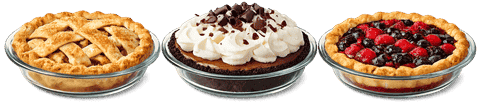
Pie recipes are generally one of three types – traditional, acquired taste, and borrowed. Traditional recipes were usually handed down from generation to generation. Acquired taste are recipes that were created by someone modifying a recipe that they found or received. This might be as simple as adding twice as much cinnamon as the original recipe recommended or adding a certain flavoring such as vanilla extract to a recipe that didn’t include it. Borrowed recipes are simply ones that the baker found or received and followed exactly as instructed.

General Categories of Pie Recipes
As a general rule, pie recipes fall into the following categories:
- Classic or Traditional
- Heirloom
- Labor of Love
- Quick & Easy
- Regional Variations
Classic Pie Recipes
These are often listed as Traditional. These are recipes that produce the pie flavor and texture that most people expect. In other words, the pies are “generally expected” to be the same no matter who makes them or where you’re eating them. The best examples would be a classic apple or pumpkin pie. You would expect the apples to have the perfect flavor and the same spices as the last one you ate.
It’s important to note that many recipes fall into more than one category. A classic apple pie make with crust from scratch could also be considered a labor of love as well as an heirloom if the recipe came from an elderly family member. Many Quick & Easy pie recipes also produce classic pies and regional variations.
Heirloom Pie Recipes
Heirloom recipes were handed down from generation to generation. Grandma’s amazing pumpkin pie recipe would be considered an heirloom as would Uncle Bernie’s bourbon chocolate cream pie. An heirloom recipe produces a much cherished pie that has been passed down through generations. The pie represents ties to family traditions, cultural heritage, and emotional memories. It’s not just about the ingredients. It’s about family identity, storytelling, and personal connection to the past.
Free Shipping on all orders $49+ at Peets.com
Labor of Love Pie Recipes
Barely 100 years ago all pies were considered a labor of love. Imagine trying to make a perfect apple pie before electricity was invented! Pies were often baked on a shelf in the fireplace or a brick kiln, if you were lucky enough to have one. Many were made on cast iron skillets over an open fire.
Today labor of love usually refers to something that seems like it takes more time than the end result is really worth. Many layered pies take hours to make. Making an apple pie from scratch including homemade crust can take upwards of 6 hours. Custard pies are insanely time-consuming. You’ll never see these recipes listed as a labor of love but one look at the instructions and you’ll know they are.
Quick & Easy Pie Recipes
Quick and Easy pie recipes are by far the most popular recipes today. Given the option of making a truly homemade apple pie that takes five hours and the quick and easy version that takes an hour, most beginning bakers will choose the quicker version. The important thing to remember is that a pie made using one of these recipes will still have more flavor than a store-bought pie.
Most quick and easy pie recipes reduce prep time by using premade crust or premade pie filling. Of course, the quality of your pie will depend entirely on how well you follow the instructions as well as the brand of crust or filling that you use. When it comes to baking pies, don’t automatically grab the cheaper store brand ingredients. Some national store brands sell their own version of pie fillings that don’t taste like the real deal. Cheap canned pie fillings often lack the necessary spices to create the flavorful dessert you’re looking for. If you must use cheap store-brand pie filling, at least try a spoonful to see if you need to add additional spices.
Regional Variation Pie Recipes
What pie lovers in Portland, Maine eat might turn the heads of pie aficionados in Portland, Oregon. What’s considered traditional pecan pie in Louisiana might not set well with pecan pie lovers in the Midwest. Almost all pies have variations based on local preferences and tradition.
Pie recipes differ from region to region because people bake with what they have, what their climate allows, and what their culture values. Over time, local ingredients, traditions, and cultural influences shape distinct pie styles across the U.S. The best known example of pie toppings is Cool Whip versus real whipped cream. In the south many people refer to Cool Whip as whipped cream. In other areas, Cool Whip is never considered a “real” topping.
Regions historically rely on what grows nearby, so pies evolved around those ingredients.
- Key Lime pie is particularly popular in Florida because key limes thrive in the tropical climate.
- Apple is the main pie eaten in New England thanks to the abundant apple orchards. There’s nothin like picking your own apples and baking them into a pie on the same day.
- Cherry pie is popular in the Midwest, particularly in Michigan, which produces 75% of the tart cherries grown in the U.S., and the Pacific Northwest. Washington, Oregon, and California produce 90% of the sweet cherries grown in the U.S.
- Pecan Pie is popular mainly in the South because pecan trees flourish in warm Southern states. Georgia produces an average of 100 million pounds of pecans per year, followed by New Mexico, which produces an average of 80 million pounds per year.
Choosing the Right Pie Recipe
There’s an adage stating that you can’t compare apples to oranges. The same holds true for pie recipes. Comparing two different recipes for the same type of pie will leave you scratching your head. Why does one recipe say to use cinnamon and another want you to use nutmeg? Why do I prefer soft apples for an apple pie when most recipes say you should only use crisp apples and should never use McIntosh? Why does one recipe want you to use only frozen cherries while another states that you should NEVER use frozen cherries?
Our recommendation is truly know what you’re looking for when you search for a recipe online or in cookbooks. If you already know what the basic ingredients are in your favorite pie, then skip recipes that use other ingredients. If making a labor of love apple pie takes 4 hours longer than your time allows, look for a Classic or Quick & Easy recipe.
Types of Pie Fillings
Fruit Pies
Fruit pies are some of the most recognizable and beloved desserts in American baking. From classic apple and cherry pies to blueberry and peach varieties, fruit-filled pies offer endless flavor combinations for every season. Many bakers enjoy experimenting with different crust styles including lattice tops, crumb toppings, and double crusts to create a pie that looks just as impressive as it tastes. Fruit pies are especially popular during holidays, family gatherings, and summer celebrations because they combine fresh ingredients with comforting homemade flavor.
Cream and Custard Pies
Cream pies and custard pies provide a completely different texture and flavor experience compared to fruit pies. These pies are known for their smooth, rich fillings made with ingredients like chocolate, coconut, banana, lemon, or vanilla custard. Many cream pies are topped with whipped cream or meringue which adds extra sweetness and visual appeal. Because they are often chilled before serving, cream pies make an excellent dessert option for warmer weather or special occasions where a lighter, silkier dessert is preferred.
Savory Pies
Savory pies have also become increasingly popular with home cooks who enjoy hearty comfort food meals. Pot pies, shepherd’s pie, and meat pies combine flaky crusts or mashed potato toppings with rich fillings made from vegetables, meats, and creamy sauces. Unlike dessert pies, savory pies can serve as a complete meal and are especially satisfying during colder months. Their versatility allows cooks to customize fillings using leftovers, seasonal vegetables, or favorite proteins for a meal that feels both practical and comforting.
No-Bake Pies
No-bake pies continue to grow in popularity because they are simple to prepare and require very little baking experience. These pies typically use graham cracker or cookie crusts paired with creamy fillings made from pudding, cream cheese, whipped topping, or chocolate mousse. No-bake pies are ideal for busy bakers who want an impressive dessert without heating the kitchen or spending hours preparing complicated dough. They are also a great choice for summer gatherings when cool, refreshing desserts are especially appealing.
Free Shipping on all orders $49+ at Peets.com
Basic tomato pie recipe